

Closing Nigeria’s Gender Gap in STEM: Womenovate, MTN Foundation Push for Systemic Change
With just 22% of Nigeria’s STEM workforce made up of women, and even fewer in leadership positions, stakeholders are calling for urgent action to dismantle the systemic and cultural barriers that hinder girls from pursuing careers in science and technology.
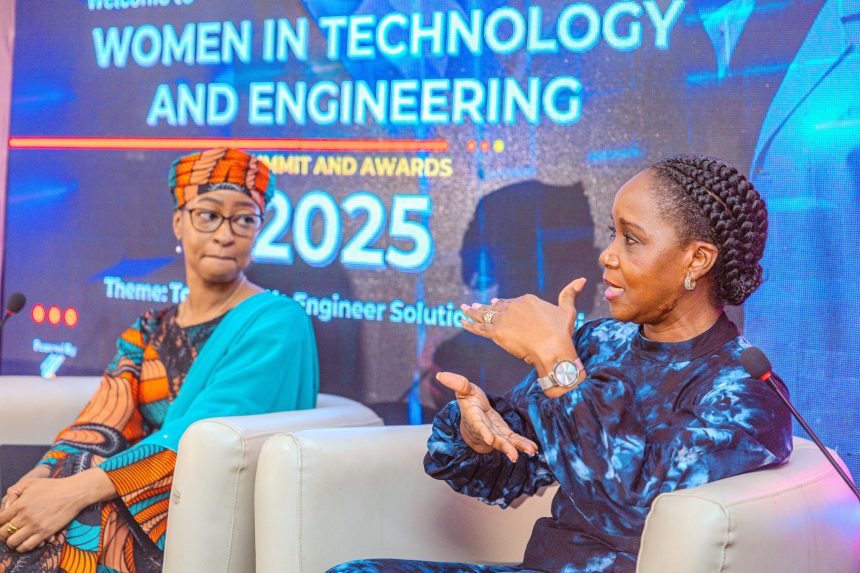
At the fourth edition of the Women in Tech and Engineering Summit in Abuja, hosted by Womenovate in collaboration with MTN Foundation, speakers pushed for national alignment around girl-focused STEM empowerment.
Odunayo Sanya, the MTN Foundation’s Executive Director, explained that through initiatives like Womenovate and MTN’s STEM-focused scholarship programs, the foundation is equipping girls with the digital and scientific tools needed to thrive. “As a nation, Nigeria is playing catch-up. One thing that can help us leapfrog development is science, technology, engineering, and math,” she said. “That’s why gatherings like this – Womenovate – are so crucial. They bring women together, from students to professionals, to show them what’s possible in STEM.”
Since inception, the MTN Foundation’s STEM initiatives have benefited over 15,000 Nigerian students, with more than 60% of 2024’s STEM scholars being young women, a leap from just 35% five years ago.
The World Economic Forum reports that only 30% of global tech jobs are held by women. In Nigeria, a UNESCO report notes that only 13% of STEM lecturers are women, with cultural stereotypes and lack of support systems being the primary roadblocks.
The summit drew female engineers, secondary school students, university undergraduates and mentors who shared practical ways to spark interest in STEM among girls, from coding bootcamps to career exposure visits. Another highlight of the event were 10 female students from the MTN Foundation’s Scholarship Programme and three secondary school students (including teachers their teachers) from the MTN ICT Laboratory focus schools participated in the event.
Prof Paul Olugbeji Jemitola, CEO of Vector Aeronautics, warned that failing to include women in innovation could limit Nigeria’s future competitiveness.
Busola Perez-Folayan, Head of the NASENI Innovation Hub, highlighted the agency’s initiatives like DELTA and Future Makers, aimed at nurturing female talent from grassroots to graduate level.
Experts agree: to change the numbers, the mindset must change first. And the summit offered clear proof that this transformation is already in motion- one girl, one lab, one scholarship at a time.